
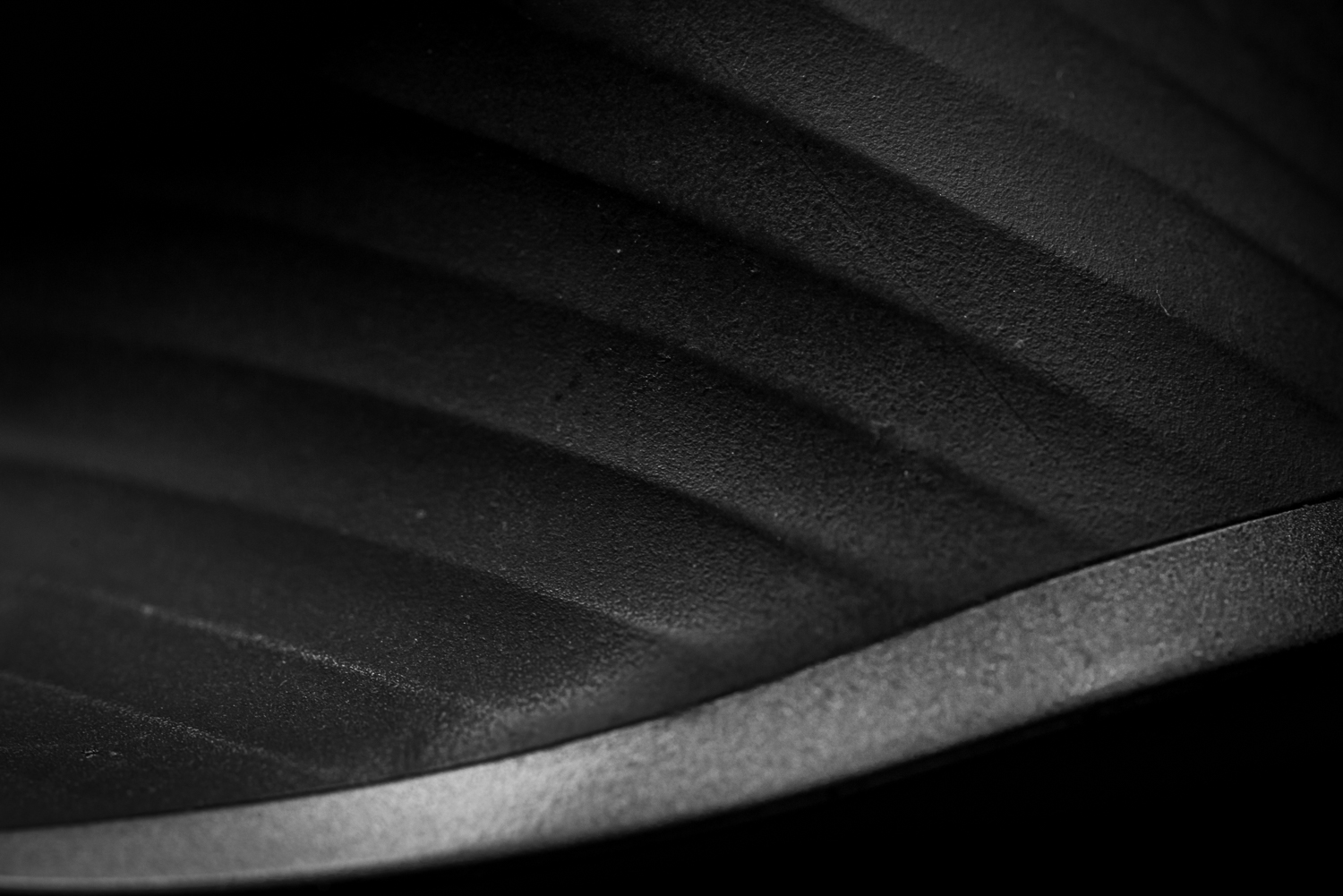
I always enjoy a bit of abstraction and it is always a useful fall back for the 365 project when time is short and you need a shot. You can see a few of my abstract photographs by clicking here.
This is an item found on many desks around the world and I lit it with my trusty LED light from above left… it’s my computer mouse. The lines and curve of the device make quite a nice abstract photograph I think.
Here’s what AI (ChatGPT) thinks about abstract photography:
Exploring the World of Abstract Photography
Abstract photography is a captivating art form that breaks away from traditional rules and conventions. By focusing on shapes, colours, patterns, and textures rather than recognizable subjects, abstract photography invites viewers to interpret and engage with images in a more personal and imaginative way.
What is Abstract Photography?
Abstract photography doesn’t aim to capture reality as we know it. Instead, it emphasizes elements such as form, composition, and contrast. This genre often blurs the boundaries between photography and other visual arts, creating images that evoke emotion and intrigue without a clear context or subject.
Techniques in Abstract Photography
There are countless ways to achieve abstract effects in photography. Some popular techniques include:
- Macro Photography: Close-up shots that reveal intricate details of everyday objects.
- Motion Blur: Capturing movement by using a slower shutter speed.
- Reflections and Distortions: Using mirrors, water, or glass to create unusual perspectives.
- Light and Shadow Play: Highlighting contrast and shapes through creative lighting.
- Post-Processing: Applying filters or colour manipulations in editing software.
Notable Abstract Photographers
Several photographers have made significant contributions to the field of abstract photography, inspiring countless others to experiment and push creative boundaries. Here are a few notable names:
- Aaron Siskind: Often regarded as a pioneer in abstract photography, Siskind transformed ordinary surfaces, such as peeling paint and cracked walls, into compelling works of art.
- Alvin Langdon Coburn: One of the earliest abstract photographers, Coburn experimented with “Vortographs”—images created by photographing through a kaleidoscope-like apparatus.
- Barbara Kasten: Known for her geometric and architectural compositions, Kasten creates dynamic abstract images through the manipulation of light and reflective surfaces.
- Wolfgang Tillmans: While Tillmans explores various photographic genres, many of his works delve into abstraction by focusing on textures, colors, and abstract forms.
Why Abstract Photography Matters
Abstract photography challenges viewers to see the world differently. It taps into imagination and emotion, encouraging a deeper level of engagement with art. By freeing photography from the constraints of literal representation, abstract works allow for endless creative possibilities.
Tips for Getting Started
If you’re interested in exploring abstract photography, here are a few tips:
- Look for patterns and textures in everyday environments.
- Experiment with different angles and perspectives.
- Play with lighting to highlight interesting shapes and contrasts.
- Don’t be afraid to use editing tools to enhance your creative vision.
Abstract photography offers a fascinating journey into the unknown, where interpretation is as unique as the viewer. Whether you’re an artist, enthusiast, or someone new to photography, this genre invites you to break free from conventions and capture the beauty of abstraction.
